
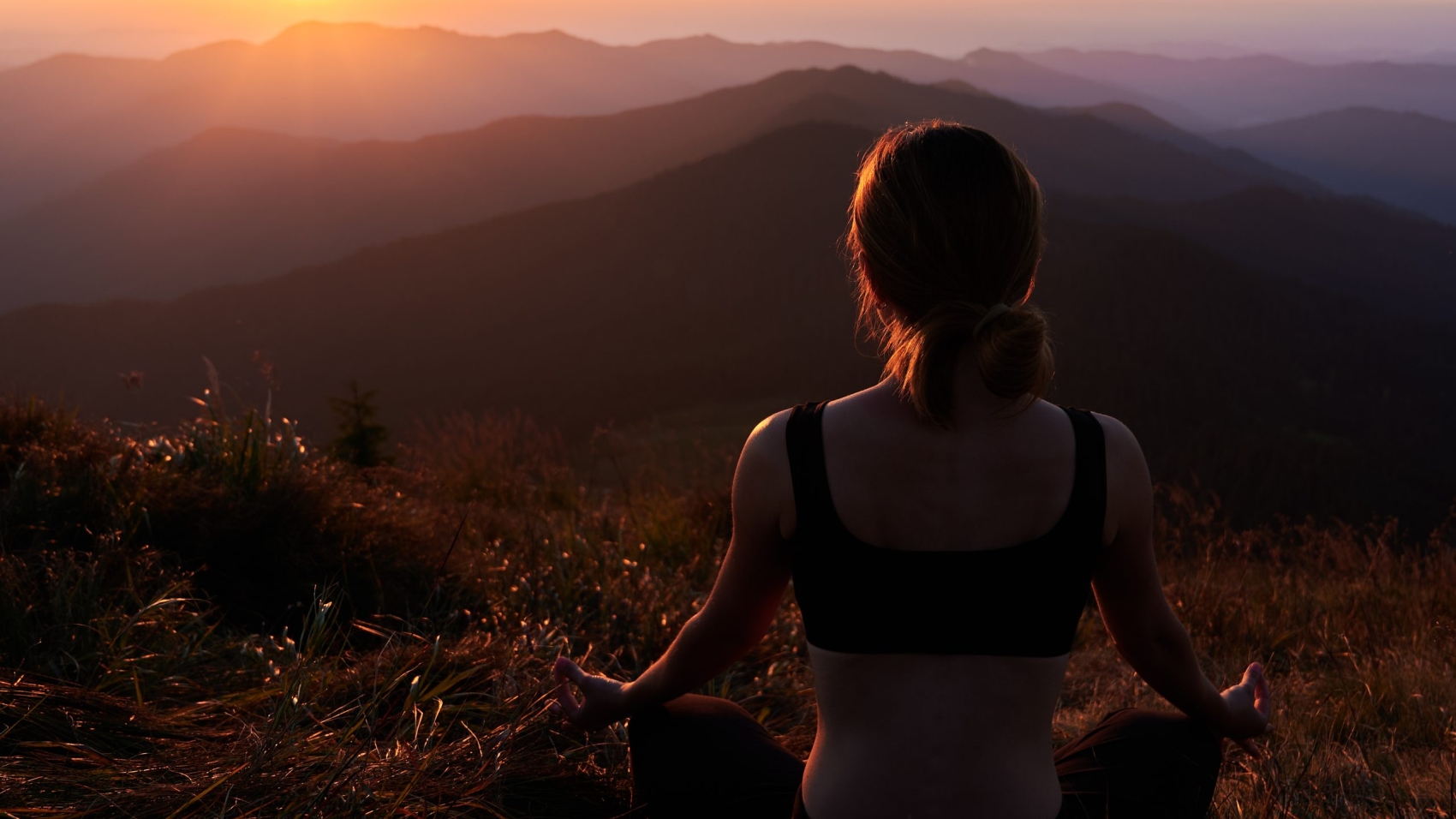
Language retreats in Colombia offer a different way to learn, practice and experience a language while discovering one of the most diverse countries in South America.
Imagine learning a language while walking through nature, sharing meals, exploring new places, participating in activities and having real conversations instead of spending every hour inside a traditional classroom.
That is the idea behind a language retreat in Colombia.
It combines language learning with immersion, travel, activities, culture, nature and everyday experiences.
Instead of separating learning from life, the language becomes part of the experience.
What Is a Language Retreat?
A language retreat is an immersive experience designed to help participants practice a language while temporarily stepping away from their normal environment.
Unlike a conventional language course, where most learning happens inside a classroom, a language retreat can bring the language into real-life situations.
You may practice communication while:
- Having breakfast
- Walking
- Traveling
- Exploring a destination
- Participating in activities
- Sharing meals
- Meeting other people
- Spending time in nature
- Discussing everyday experiences
- Solving practical situations
The objective is not simply to memorize vocabulary.
The objective is to use the language.
That distinction can completely change the learning experience.
Why Choose a Language Retreat in Colombia?
Colombia provides a fascinating environment for an immersive language experience.
The country combines cities, mountains, Caribbean landscapes, rural communities, natural environments and a rich cultural identity.
For international travelers, this creates an opportunity to combine language practice with discovering Colombia.
Instead of traveling first and studying later, the two experiences can become part of the same journey.
A language retreat can allow you to:
- Practice conversation
- Improve listening skills
- Become more comfortable speaking
- Learn vocabulary through context
- Experience Colombian culture
- Explore new environments
- Meet people
- Practice language in everyday situations
- Combine learning with travel
You are not just studying a language in Colombia. You are experiencing it.
Language Learning Outside the Classroom
Traditional classrooms have an important role in language education.
They provide structure, explanations, exercises and opportunities to study grammar and vocabulary.
But real communication requires something else:
practice.
Knowing a grammar rule does not automatically mean you feel comfortable using it in a conversation.
Knowing hundreds of words does not necessarily mean you can communicate naturally.
A retreat creates opportunities to use what you know in situations where communication has a real purpose.
You may need to ask a question.
Explain something.
Understand instructions.
Describe an experience.
Tell a story.
Order food.
Talk about your day.
Meet someone new.
Every interaction becomes part of the learning experience.
What Is Language Immersion?
Language immersion means surrounding yourself with opportunities to hear, understand and use the target language.
The more frequently you interact with a language in meaningful contexts, the more opportunities you have to practice.
A language immersion retreat can create an environment where the language is present throughout the day rather than only during a scheduled lesson.
This can include:
Conversation.
Real discussions rather than only textbook exercises.
Listening.
Hearing the language in different situations and contexts.
Vocabulary.
Learning words because you need them for a real experience.
Communication.
Using the language to accomplish something.
Culture.
Understanding how language connects with people and everyday life.
Language Retreats vs Traditional Language Courses
Both approaches can be useful, but they provide different experiences.
| Traditional Language Course | Language Retreat |
|---|---|
| Primarily classroom-based | Immersive experience |
| Fixed lessons | Language integrated into activities |
| Textbook exercises | Real-world situations |
| Scheduled conversation | Frequent informal communication |
| Learning environment | Travel and experiential environment |
| Language is the subject | Language becomes part of the experience |
| Usually local | Can combine learning and travel |
A language retreat does not necessarily replace formal language education.
Instead, it can complement it by giving participants more opportunities to practice what they have learned.
Learn English in Colombia Through Experience
For international participants, a learn English in Colombia experience can provide a different perspective on language learning.
Rather than focusing exclusively on grammar, the experience can emphasize communication.
You may spend part of the day learning or practicing specific language concepts and then use them during activities.
For example, participants might practice vocabulary related to:
- Travel
- Food
- Nature
- Sport
- Movement
- Daily routines
- Shopping
- Directions
- Social conversations
- Colombian culture
This allows vocabulary to become connected to experiences rather than existing only on a page.
English Immersion in Colombia
An English immersion experience in Colombia can be particularly valuable for people who want to become more comfortable communicating in English.
Confidence often develops through repetition.
The more you speak, the more familiar speaking becomes.
The more you listen, the easier it can become to recognize different expressions and accents.
The more situations you experience, the easier it can become to respond naturally.
An immersive retreat can provide an environment where participants have repeated opportunities to communicate throughout their stay.
Language and Travel
Travel naturally creates communication opportunities.
You may need to ask where something is.
You may want to describe an experience.
You may need to understand a schedule.
You may meet someone from another country.
You may discuss food, sports, nature or travel.
A language retreat uses these situations as opportunities to practice.
This makes the experience fundamentally different from studying vocabulary in isolation.
The destination becomes part of the classroom.
Language and Nature
Nature can provide an especially interesting environment for language immersion.
Imagine discussing landscapes while walking outdoors.
Learning vocabulary related to plants, animals, weather, mountains, rivers or beaches.
Describing what you see.
Talking about a hike.
Discussing an outdoor experience with other participants.
The language becomes connected to something you are actually experiencing.
This is experiential learning.
You are not simply trying to remember a word.
You are using it because it is relevant to the moment.
Language and Sport
Sport can also become a natural context for language learning.
Running, walking, outdoor activities and water sports all create opportunities to communicate.
Participants may need to:
- Understand instructions
- Ask questions
- Describe movements
- Discuss performance
- Talk about equipment
- Encourage other participants
- Share experiences
- Learn sport-related vocabulary
This can make language practice dynamic rather than repetitive.
Language and Food
Food is one of the easiest ways to create meaningful conversations.
Meals can become opportunities to talk about:
- Ingredients
- Flavors
- Cooking
- Culture
- Preferences
- Traditions
- Healthy eating
- Colombian cuisine
Instead of simply learning the names of foods from a vocabulary list, you can experience them.
That makes the language more memorable.
Language Learning Through Colombian Culture
Language and culture are closely connected.
Understanding a language also means understanding how people communicate, interact and express themselves.
Colombia provides a rich cultural environment for this kind of experience.
Depending on the location and itinerary, a language retreat can expose participants to different aspects of Colombian life.
This can include:
- Food
- Music
- Local traditions
- Nature
- Regional differences
- Everyday expressions
- Social interaction
- Colombian history and culture
The objective is not to turn the retreat into a traditional sightseeing tour.
The objective is to make culture part of the learning experience.
Who Are Language Retreats in Colombia For?
A language retreat can be suitable for people with different objectives and levels of experience.
You might consider one if you:
- Want to practice speaking
- Want to improve your confidence
- Want to combine travel and learning
- Prefer experiential learning
- Want to practice conversation
- Enjoy meeting new people
- Want to experience Colombia
- Want to learn outside a traditional classroom
- Want an immersive language experience
The appropriate level and requirements depend on the specific retreat.
Some programs may be better suited to beginners, while others may be more appropriate for intermediate or advanced participants.
Always check the language level and program structure before booking.
Language Retreats for Beginners
Beginners sometimes worry that they will not know enough vocabulary to participate.
A well-designed experience should take language level into consideration.
Learning does not require knowing everything before you start.
It requires opportunities to practice.
Simple phrases can gradually become more complex.
Basic vocabulary can expand through repetition.
And familiar situations can become easier each day.
For beginners, the most important objective may simply be developing confidence and becoming comfortable hearing and using the language.
Language Retreats for Intermediate Learners
Intermediate learners often understand much more than they feel comfortable saying.
A language retreat can provide opportunities to move from understanding to active communication.
Participants can practice:
- Longer conversations
- Storytelling
- Opinions
- Descriptions
- Questions
- Everyday discussions
- Travel vocabulary
- Social communication
The objective is to reduce the distance between “I understand” and “I can communicate.”
Language Retreats for Advanced Learners
Advanced learners can use an immersive retreat to refine their communication skills.
Instead of focusing primarily on basic vocabulary, the experience can emphasize:
- Fluency
- Natural conversation
- Pronunciation
- Expressions
- Nuance
- Cultural context
- Spontaneous communication
Advanced participants can also benefit from situations where they need to communicate without preparing what they are going to say beforehand.
A Typical Day on a Language Retreat
Every retreat is different, but an immersive day could combine learning and experiences.
Morning
Language practice, conversation or an outdoor activity.
Midday
Shared meal and informal conversation.
Afternoon
An experience, excursion, sport, nature activity or cultural experience.
Evening
Conversation, reflection and social interaction.
The important element is not the number of formal classes.
It is the number of meaningful opportunities to use the language.
Language Learning and Confidence
One of the biggest barriers to speaking another language is often not knowledge.
It is confidence.
People may know what they want to say but hesitate because they are afraid of making mistakes.
A retreat can help create an environment where communication is more important than perfection.
Mistakes are part of learning.
Every conversation is an opportunity to practice.
Every mistake can show you what you need to improve.
And every successful interaction can increase confidence.
You do not need to speak perfectly to start speaking.
What Makes Our Language Retreat Different?
Our language retreat concept is not based on spending the entire day inside a classroom.
We believe language can become part of a much larger experience.
Learning can happen while moving.
While exploring.
While eating.
While traveling.
While participating in activities.
While experiencing nature.
While talking to other people.
That is why our approach combines language, experience and Colombia.
Learn. Experience. Communicate.
A language retreat should not feel like a conventional vacation with a few language classes added to the itinerary.
The language should be part of the experience.
You learn because you are communicating.
You communicate because you are experiencing something.
And you remember the language because you associate it with real moments.
That is the power of experiential learning.
Why Colombia Is More Than a Classroom
Colombia can become the setting for your language experience.
You can learn while discovering landscapes.
Practice while sharing meals.
Communicate while participating in activities.
Learn expressions through everyday experiences.
Meet people.
Explore.
Move.
And create memories while developing your language skills.
The country becomes part of the lesson.
Combine Language With Other Retreat Experiences
One of the advantages of our retreat concept is that language does not have to exist in isolation.
Depending on the program, language experiences can connect with other activities.
Language + Nature
Practice communication while exploring natural environments.
Language + Running
Combine conversation and language learning with running and outdoor movement.
Language + Water Sports
Learn terminology and communication through active experiences.
Language + Healthy Eating
Discuss food, ingredients, habits and nutrition through real meals.
Language + Travel
Use communication skills while exploring Colombia.
This creates a multidimensional retreat rather than a conventional language course.
How Long Should a Language Retreat Last?
There is no single ideal duration.
A short retreat can provide an intensive opportunity to practice.
A longer experience allows more time for immersion and repetition.
The right duration depends on:
- Your language level
- Your objectives
- Your availability
- The retreat program
- The intensity of the activities
- How much immersion you want
The most important factor is not simply the number of days.
It is the quality and frequency of the experiences during those days.
What Should You Bring to a Language Retreat?
Your packing list depends on the destination and activities, but you may want to bring:
- Comfortable clothing
- Walking or sports shoes
- Weather-appropriate clothing
- Personal items
- Reusable water bottle
- Notebook
- Phone or device when necessary
- Any equipment required for the specific activities
Most importantly, bring a willingness to communicate.
You do not need to know everything before you arrive.
You come to practice.
Language Retreats in Colombia for International Travelers
For international travelers, a language retreat can provide a particularly interesting combination.
You are not simply visiting Colombia.
You are participating in an experience.
You are learning.
You are meeting people.
You are exploring.
You are practicing communication.
And you are creating memories associated with the language.
This can make the experience much more meaningful than simply attending a short course while traveling.
Is a Language Retreat the Same as Studying Abroad?
Not exactly.
Studying abroad can involve living in another country for an extended period while attending an educational institution.
A language retreat is usually shorter and more immersive in structure.
It is designed around a specific experience and can combine language learning with activities, travel, nature and personal interests.
Both can be valuable.
The right option depends on your objectives, schedule and preferred learning style.
How to Choose a Language Retreat in Colombia
Before booking, consider:
1. What language will you practice?
Make sure the program matches your objective.
2. What is the language level?
Check whether the experience is designed for beginners, intermediate or advanced participants.
3. How much actual conversation is included?
Look beyond the number of formal classes.
Ask how much opportunity participants have to communicate.
4. What activities are included?
Consider whether the experience includes nature, sport, travel, cultural activities or other interests.
5. Where does the retreat take place?
The environment can significantly influence the experience.
6. What is included?
Check accommodation, meals, transportation, activities and other services.
7. What do you want to achieve?
Your objective should guide your choice.
Are you trying to improve fluency?
Build confidence?
Learn vocabulary?
Experience Colombia?
Or combine all of these?
The Real Goal of a Language Retreat
The goal is not to return home knowing every word.
That is unrealistic.
The goal is to return home more confident using the language.
You may find yourself speaking more spontaneously.
Understanding conversations more easily.
Recognizing expressions that previously seemed unfamiliar.
And, most importantly, becoming less afraid of making mistakes.
Language is a skill.
Skills improve through practice.
And practice becomes easier when it becomes part of your life.
Frequently Asked Questions About Language Retreats in Colombia
What is a language retreat in Colombia?
A language retreat in Colombia is an immersive experience that combines language practice with travel, activities, culture, nature and real-life communication.
Can I learn English in Colombia?
Yes. Colombia can provide an environment where participants combine English practice with travel and immersive experiences.
What is an English immersion retreat?
An English immersion retreat is an experience designed to provide frequent opportunities to hear and use English through lessons, conversations and real-life activities.
Are language retreats suitable for beginners?
Some language retreats can accommodate beginners, while others may require an intermediate or advanced level. Always check the requirements of the specific program.
Can I practice English outside the classroom?
Yes. One of the main advantages of an immersive retreat is that language practice can happen during meals, activities, travel, nature experiences and conversations.
How long should a language retreat last?
It depends on your objectives and the program. Short retreats can provide intensive practice, while longer retreats provide more opportunities for repetition and immersion.
Can I combine language learning with other activities?
Depending on the retreat, language learning can be combined with nature, running, water sports, travel, healthy eating and other experiences.
Is a language retreat better than a traditional language course?
They are different experiences. A traditional course provides structured education, while a language retreat emphasizes immersion and real-life communication. They can complement each other.
Why choose Colombia for a language retreat?
Colombia offers diverse landscapes, cultural experiences and opportunities to combine language practice with travel and outdoor activities.
Your Language Experience in Colombia Starts Here
Learning a language does not have to mean sitting in the same classroom every day.
You can learn while exploring.
You can practice while moving.
You can communicate while traveling.
You can discover Colombia while developing a skill that stays with you long after your retreat ends.
Learn the language. Experience Colombia. Create memories.
Discover our Language Retreats in Colombia and experience a different way to learn through real conversations, activities, nature and immersion.
Learn Through Experience
Language is not just something you study.
It is something you live.